The Ladybug Tumbler That Changed My View of Marketing
Jul 13, 2026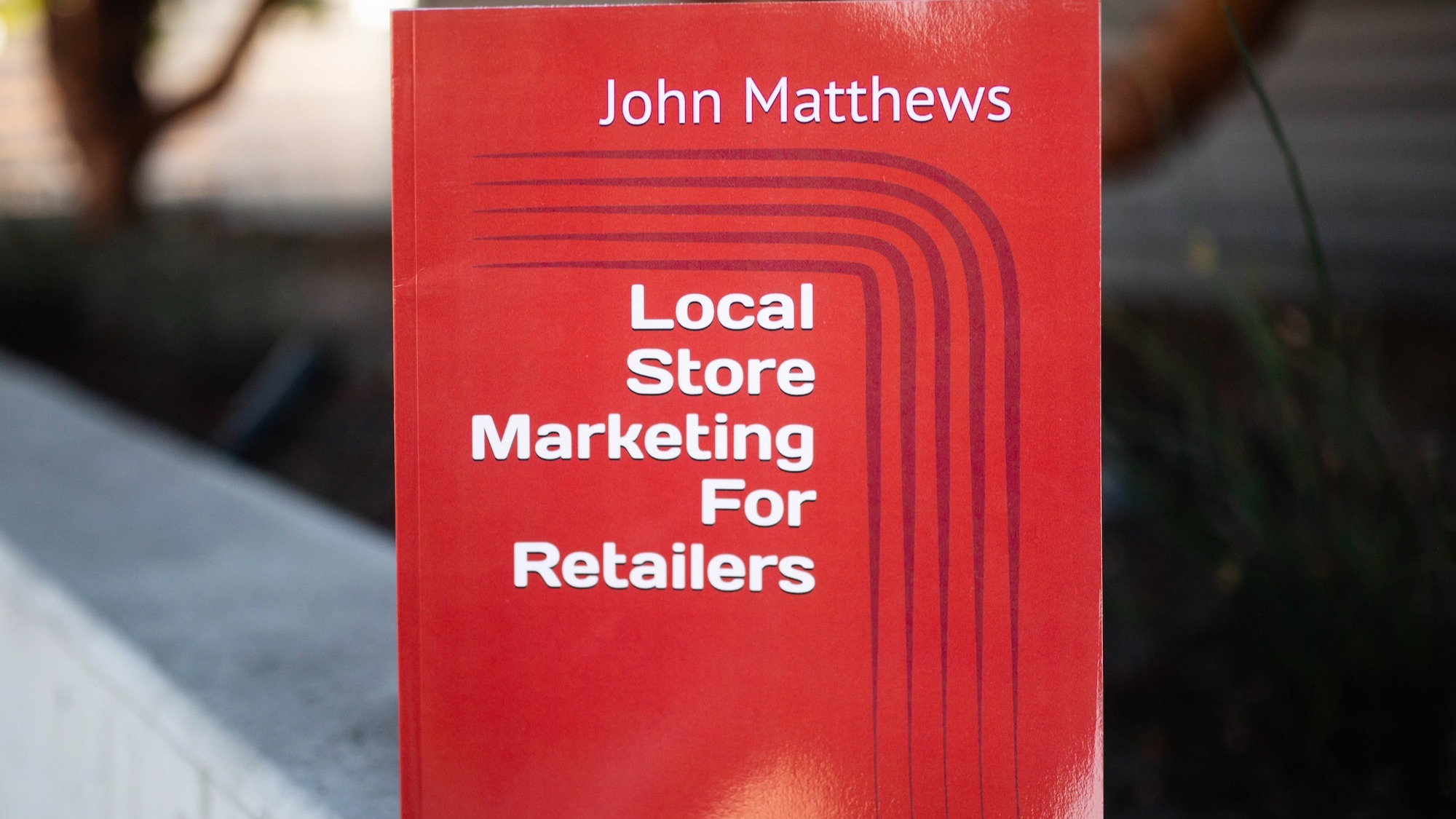
Like many youth sports teams, ours was always looking for ways to raise money for uniforms, equipment, travel, and league fees.
Most teams sold candy bars, cookie dough, or discount cards. Not us.
Our fundraising product was a set of bright yellow plastic tumblers decorated with little ladybugs. Armed with a sample cup and an order form, each player was sent door-to-door to convince neighbors they couldn’t live without a six-pack of these fashionable drinking glasses.
Looking back, the program was doomed from the start.
First, you had to find someone home. Then you had to persuade them to buy a product they had never planned to purchase. Orders were collected over several weeks before one large order was placed with the supplier. Six or seven weeks later, the tumblers finally arrived, and the real work began.
Now it was time to track down every customer again, remind them they had placed an order, deliver the merchandise, collect the remaining balance, and hope they still wanted it.
After weeks of effort, our team proudly sold about $800 worth of tumblers. It sounded impressive—until the expenses were deducted. After paying for the products, our profit was roughly $400.
Weeks of work produced a relatively modest return.
I never forgot that lesson.
Years later, while leading marketing initiatives at Little Caesars and later Clark Retail Enterprises, I often thought about those ladybug tumblers. There had to be a better way for businesses to support community organizations while creating value for everyone involved.
As youth sports teams, schools, churches, scouts, and nonprofits regularly approached us for fundraising support, I wanted something more impactful than simply writing a sponsorship check.
The solution became one of the most successful local marketing programs we ever launched.
Instead of selling products, we created a community coupon book filled with valuable offers from our stores and participating vendor partners. The savings inside were intentionally designed to exceed the purchase price many times over, making the book an easy purchase for consumers.
We then provided the books free of charge to community organizations.
They sold the books and kept 100 percent of the proceeds.
No upfront inventory investment. No waiting weeks for deliveries. No collecting balances. No product storage. Just one simple transaction where customers immediately received value, organizations immediately generated revenue, and our company gained positive exposure throughout the community.
Everyone won.
At its peak, the program distributed more than 750,000 coupon books annually through schools, youth sports leagues, churches, and nonprofit organizations across our markets.
The books generated significant fundraising dollars, introduced thousands of new customers to our stores, created additional exposure for participating vendors, and strengthened our reputation as a community partner. It became one of the most effective local marketing initiatives we ever implemented.
The broader lesson extends well beyond fundraising.
The best marketing programs create shared value. They don’t simply advertise—they solve problems. They help customers save money, help community organizations raise funds, and help businesses build stronger relationships with the neighborhoods they serve.
Today’s companies have more opportunities than ever to connect with their communities through strategic partnerships, digital fundraising campaigns, loyalty programs, and cause-based marketing. The technology has evolved, but the principle remains unchanged: the strongest promotions are those where everyone benefits.
That yellow ladybug tumbler taught me one of the most valuable lessons of my career.
Sometimes the greatest innovations don’t come from asking, “What should we do?” They come from asking, “What frustrated me as a customer?” or “How can we make this dramatically easier?”
Many of the best business ideas begin by improving an experience that never worked very well in the first place.
Want more ideas? For more information on Local Store Marketing, visit the Gray Cat Learning Series: https://www.graycatenterprises.com/lsm-sales-page
